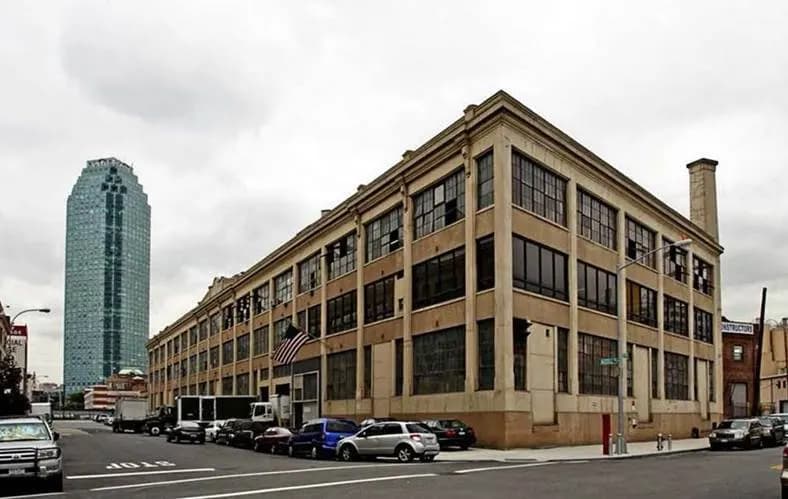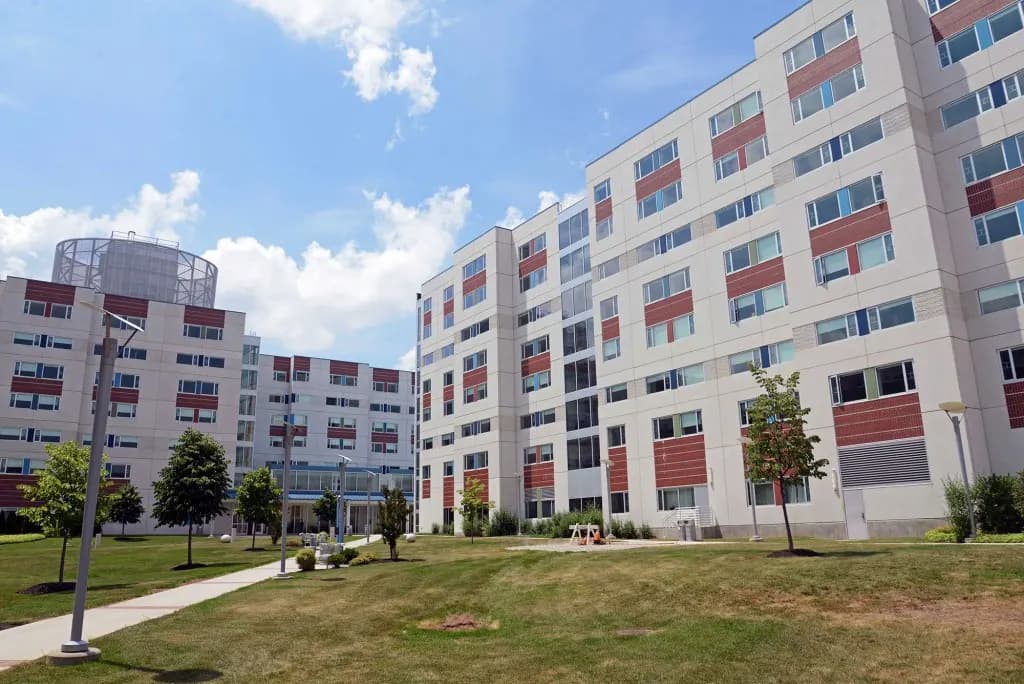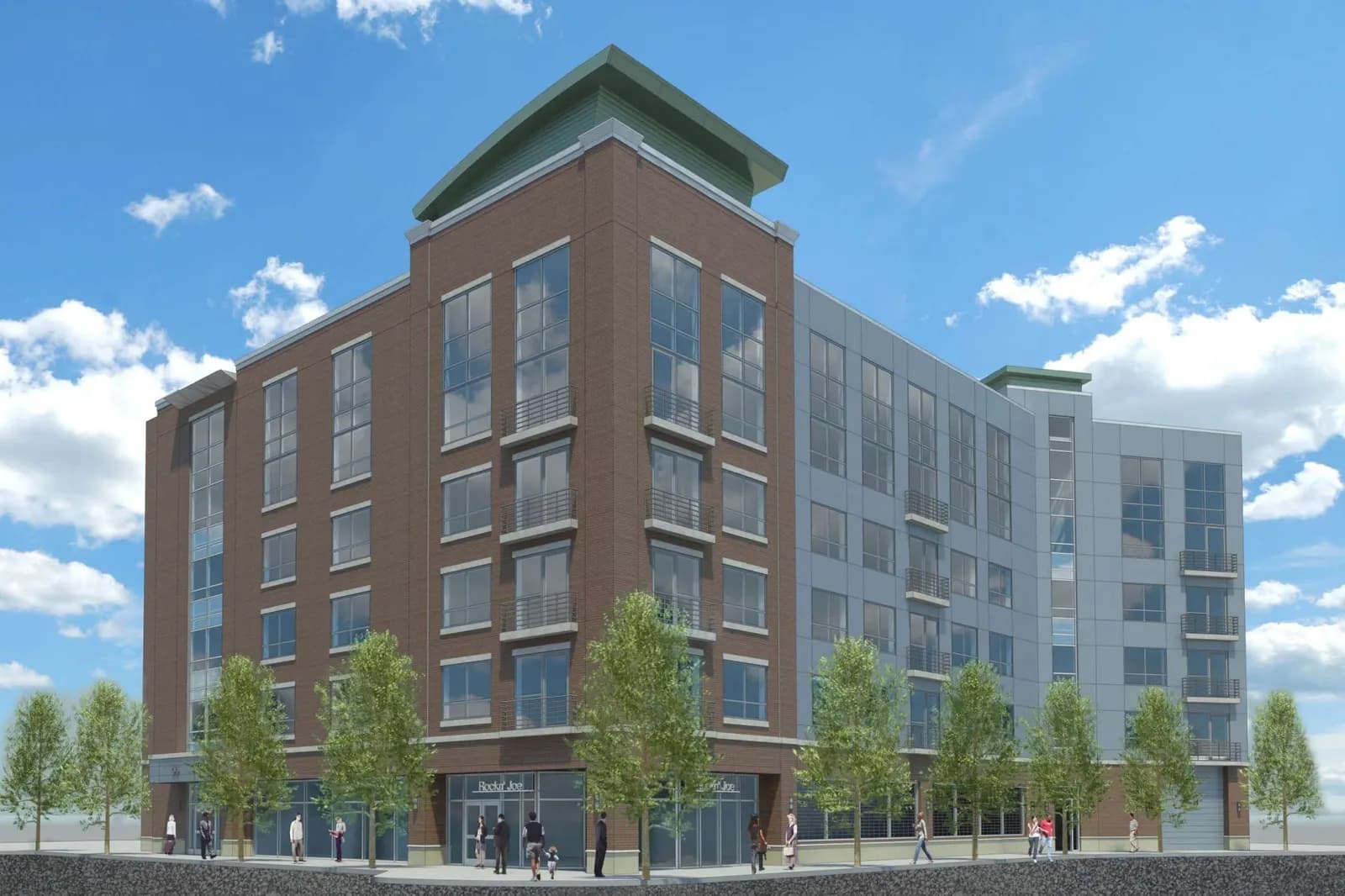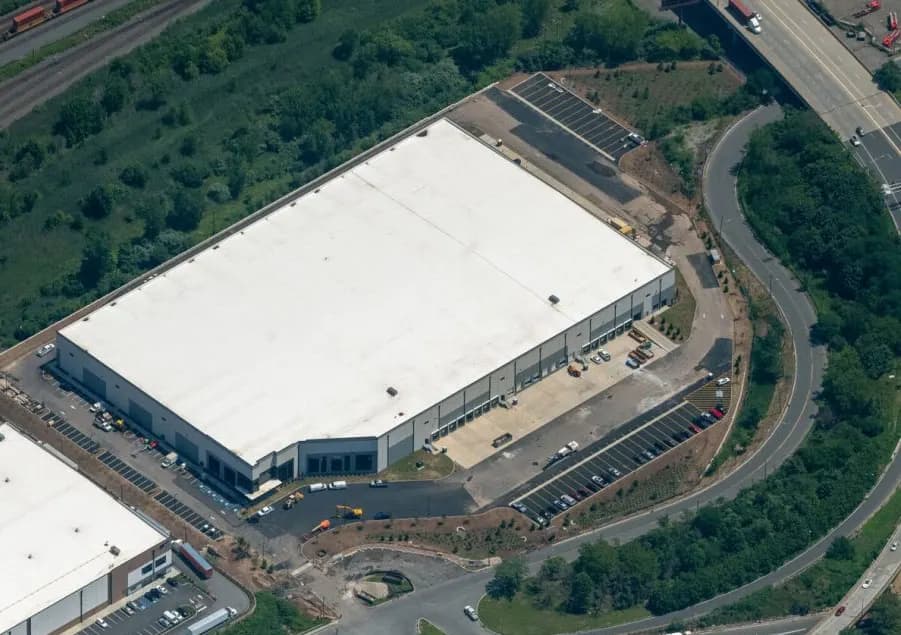
Jersey City, NJ · Residential
136 Summit Avenue
150,000 sq ft

Concord designs wet-pipe sprinkler systems and modifications for new buildings, conversions and tenant spaces in New Jersey and New York, for a municipal construction permit or a NYC Department of Buildings filing.
Updated
Got a DEP backflow notice? Send the notice, the address and a few photos of the water service. Concord prepares the PE-signed report and the DEP package. RPZ & DEP Backflow
Concord Consulting Engineering PC designs sprinkler and standpipe systems, hydraulic calculations and modifications to existing systems for buildings in New Jersey and New York City, and coordinates them with the fire alarm design. The drawings are sealed by a licensed Professional Engineer in New Jersey or New York, for a municipal construction permit or a DOB filing.
Under the New Jersey Uniform Construction Code (N.J.A.C. 5:23), the local enforcing agency issues the construction permit. Sprinkler plans are reviewed by its fire protection subcode official. Where the NJ Department of Community Affairs (DCA) is the enforcing agency, DCA does the review.
The Uniform Construction Code adopts the International Building Code, New Jersey edition, as the building subcode. That code sets where sprinklers are required and references the NFPA sprinkler standards. The NJ Department of Community Affairs, Division of Codes and Standards, administers the UCC.
NFPA 13 is the general standard for sprinkler systems. NFPA 13R covers low-rise residential occupancies, and NFPA 13D covers one- and two-family dwellings and manufactured homes. The building code determines which standard a given building may use. The choice is settled at the start of design, because it changes where sprinklers are needed and how the system is sized.
The New Jersey Uniform Fire Code (N.J.A.C. 5:70) is enforced by local fire officials, mainly in existing buildings, including the inspection, testing and maintenance of sprinkler systems. Projects often coordinate fire department connection locations and access with the local fire department.
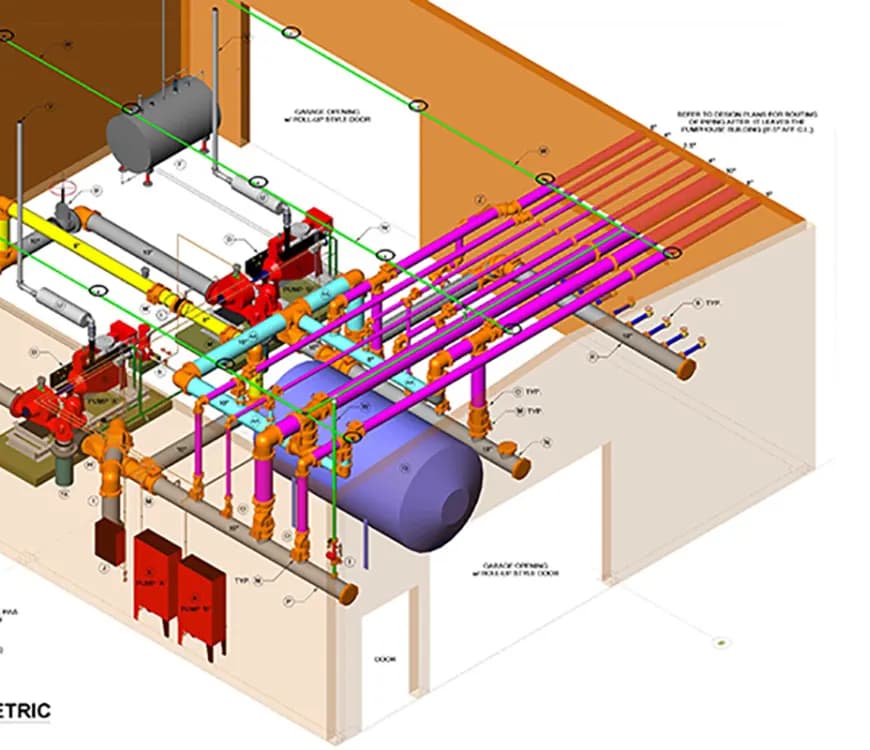
Hydraulic calculations check that the water supply can deliver the required flow and pressure to the sprinklers. They usually rely on a recent hydrant flow test. If the supply falls short, options such as a fire pump are evaluated. The flow test result then goes into the hydraulic calculations submitted with the sprinkler drawings.
In New York City, sprinkler work is filed citywide with the Department of Buildings, sealed by a New York licensed engineer or architect. In New Jersey, the permit comes from the local enforcing agency, usually the municipal construction office, and the fire protection subcode official reviews the plans under the Uniform Construction Code, sealed by a New Jersey licensed engineer or architect.
Tell us about the building. We reply the same business day.